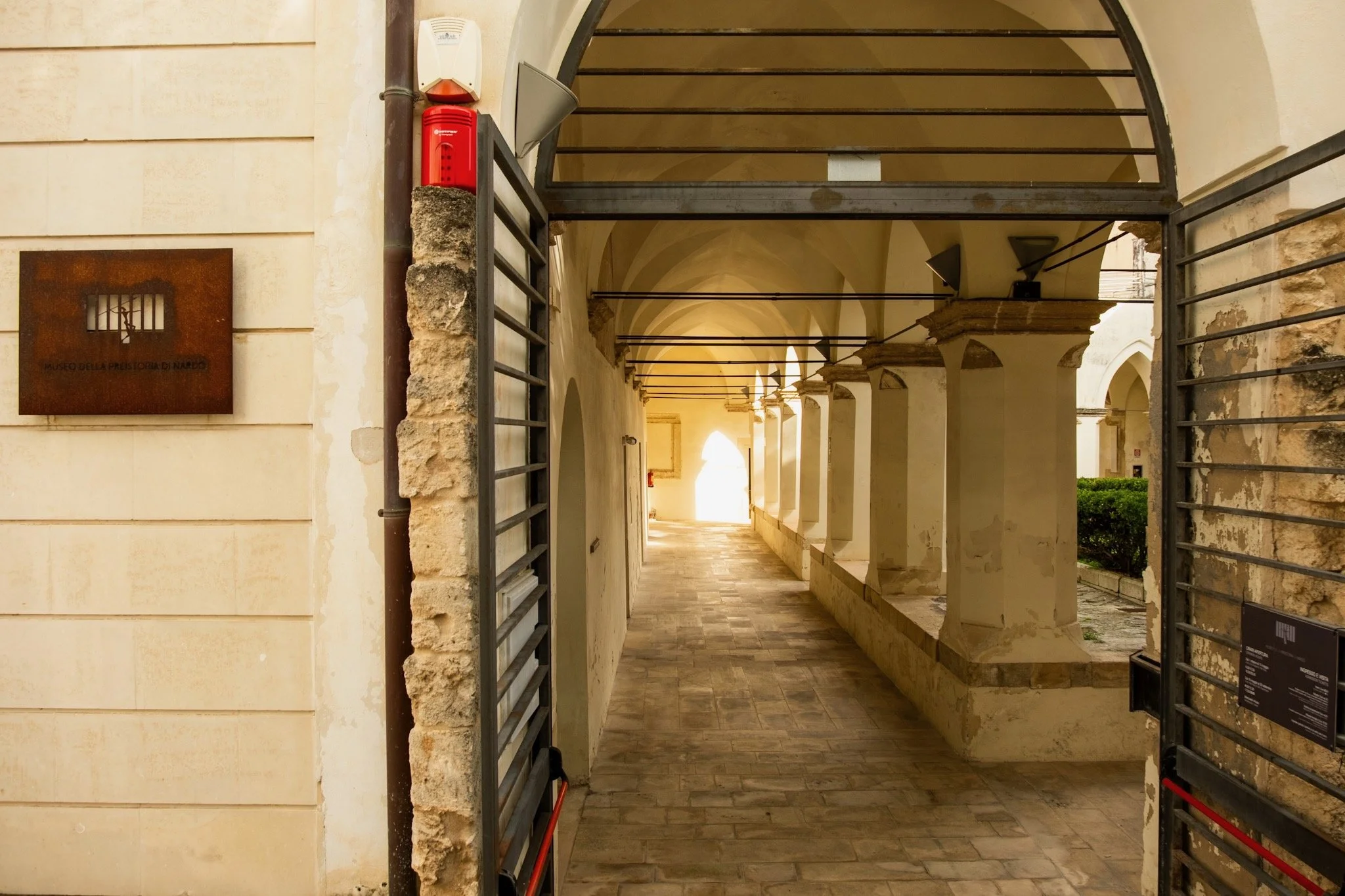
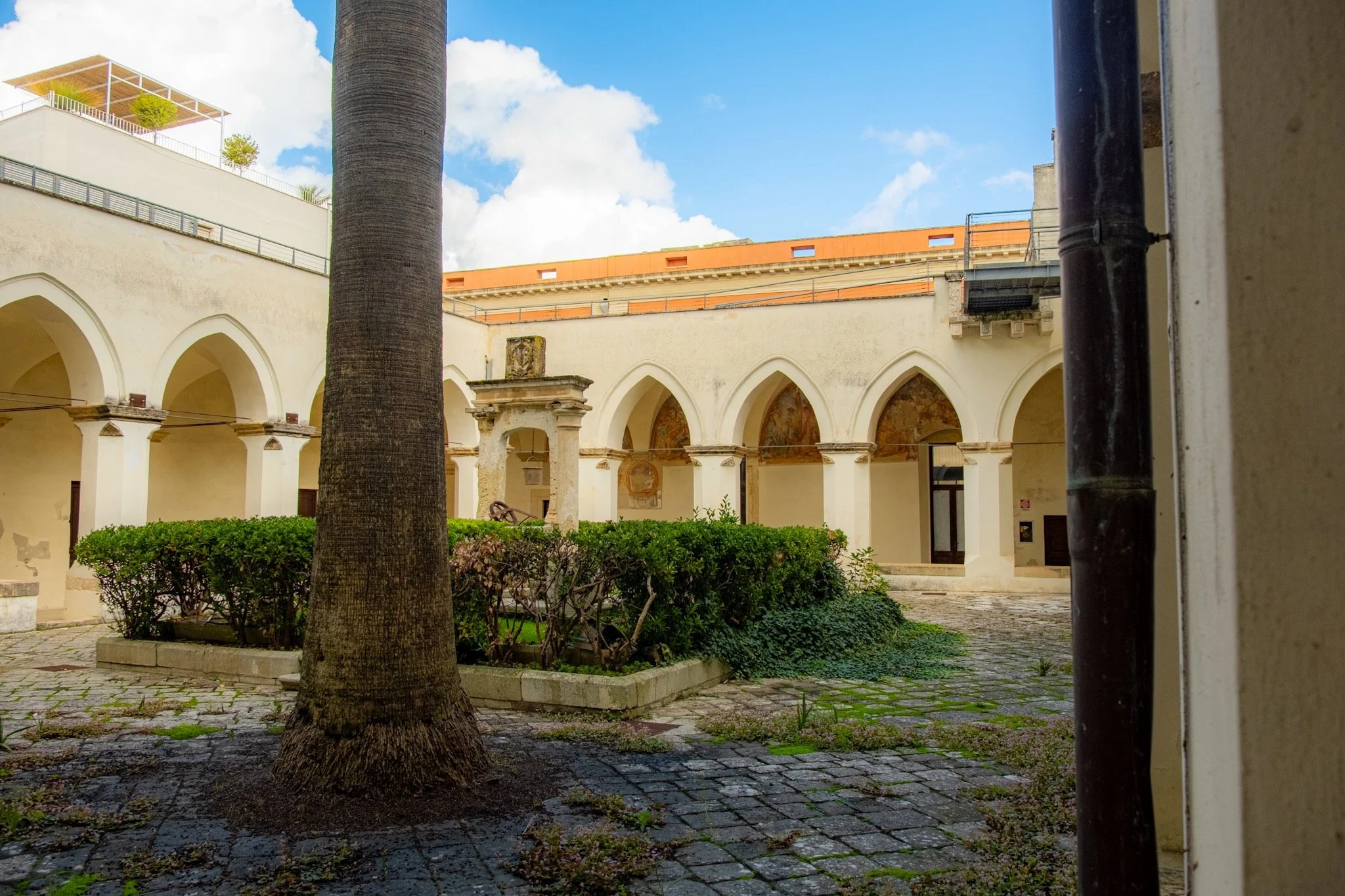
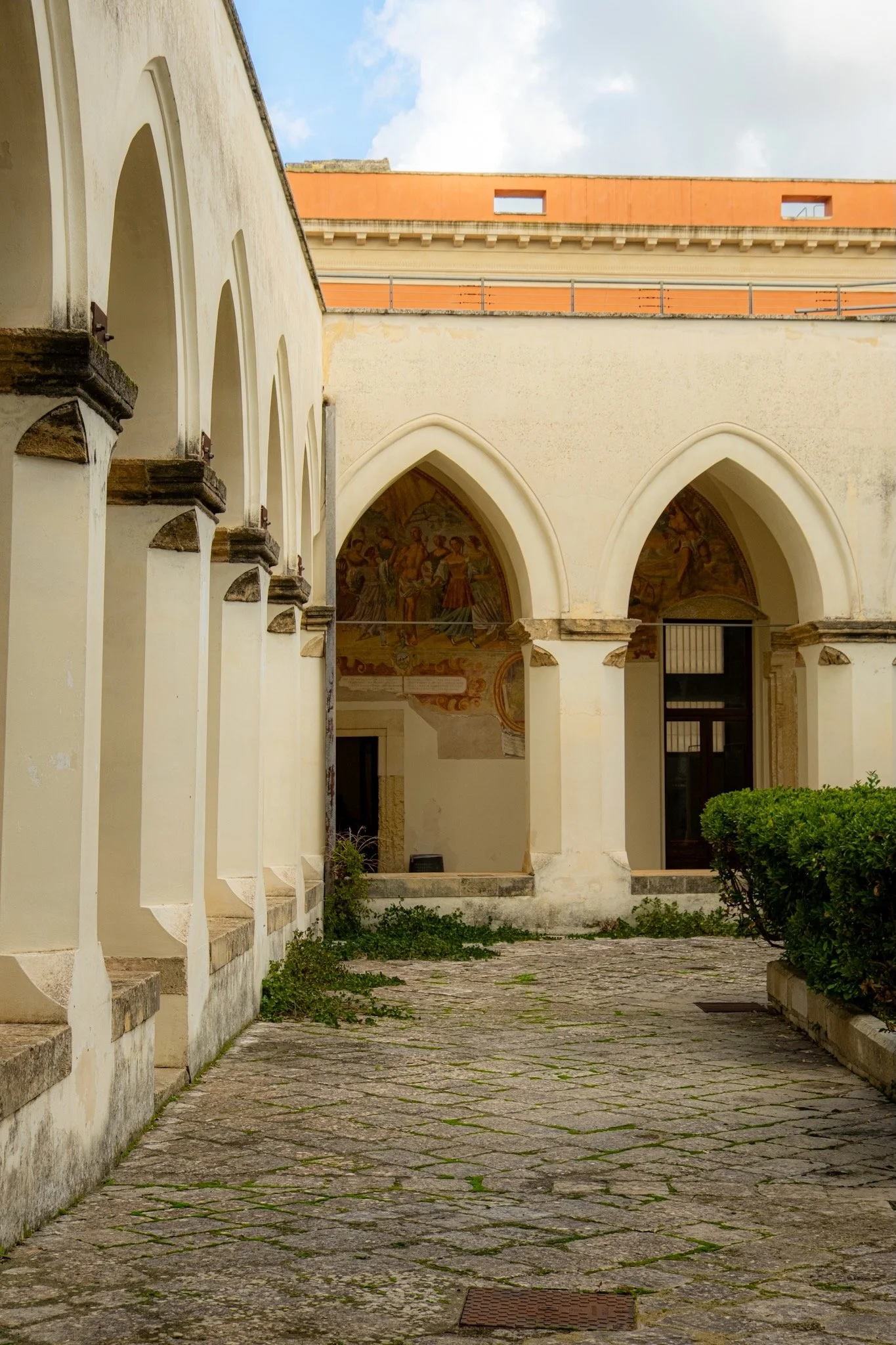
Once a convent, and possibly built on the foundations of what might once have been a synagogue, and until the 1960s a hospital, Nardó’s Museum of Pre-History (Museo della Preistoria di Nardó) is a modest but vital institution for visitors wanting a glimpse into the town’s, and area’s, Neanderthal and sapiens past.
Located towards the end of Italy’s heel, deep into the Puglia (Apulia) region, Nardó is a small town, for much of the year packed with tourists and second-home owners. During the mild winters, Nardó is a somewhat more tranquil place, mainly now with locals and a smattering of expats who have made their permanent homes here (many seemingly from the UK and US).
Rosangela Lovine, the museum’s fabulous guide, took me around the displays with equal helpings of patience and passion. Without Rosangela, this would have been a 10-minute interesting perusal, with the odd stop to translate an artefact’s explanatory Italian text, and then off to a nearby Pasticceria for a coffee and pastry.
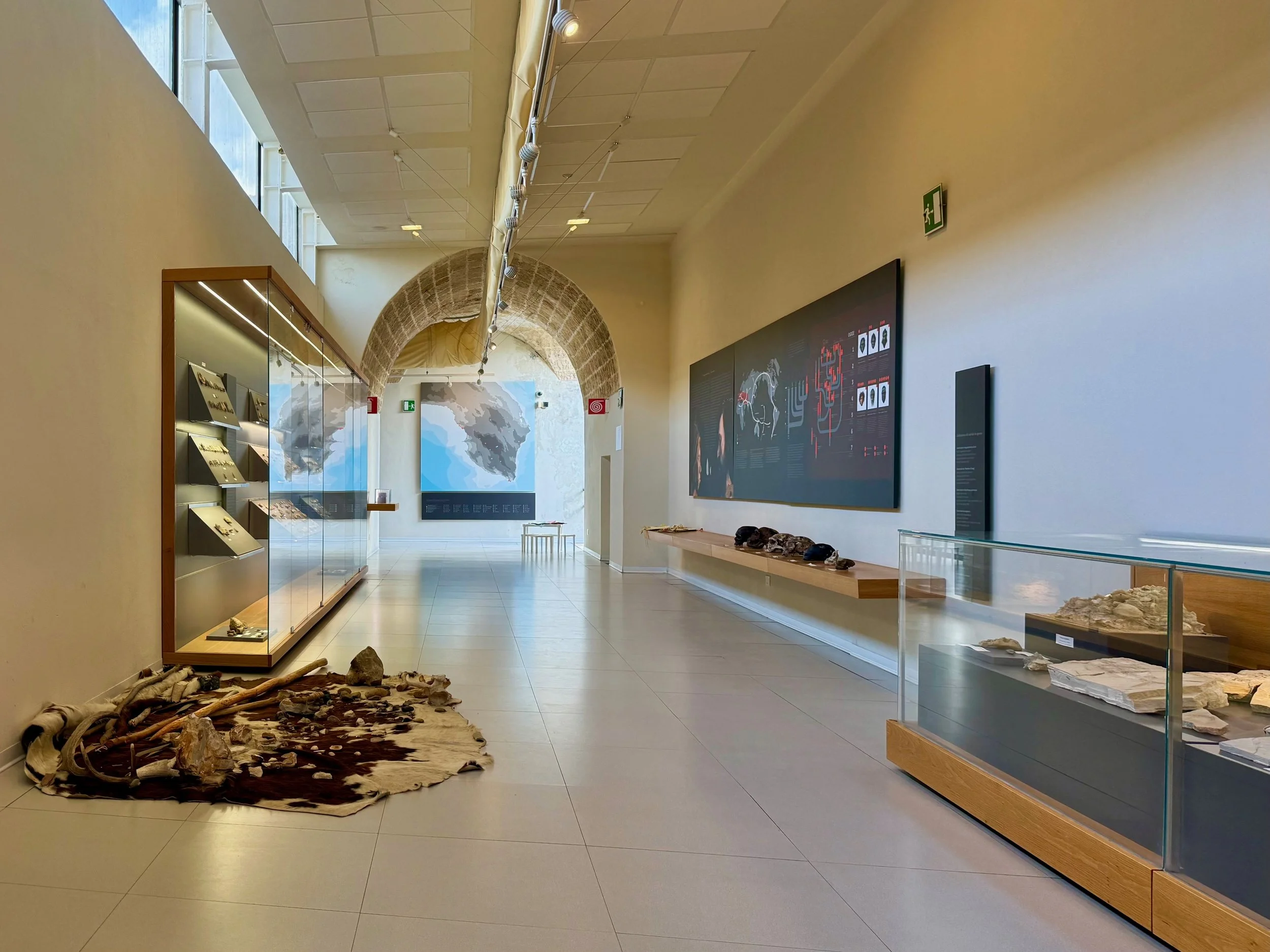
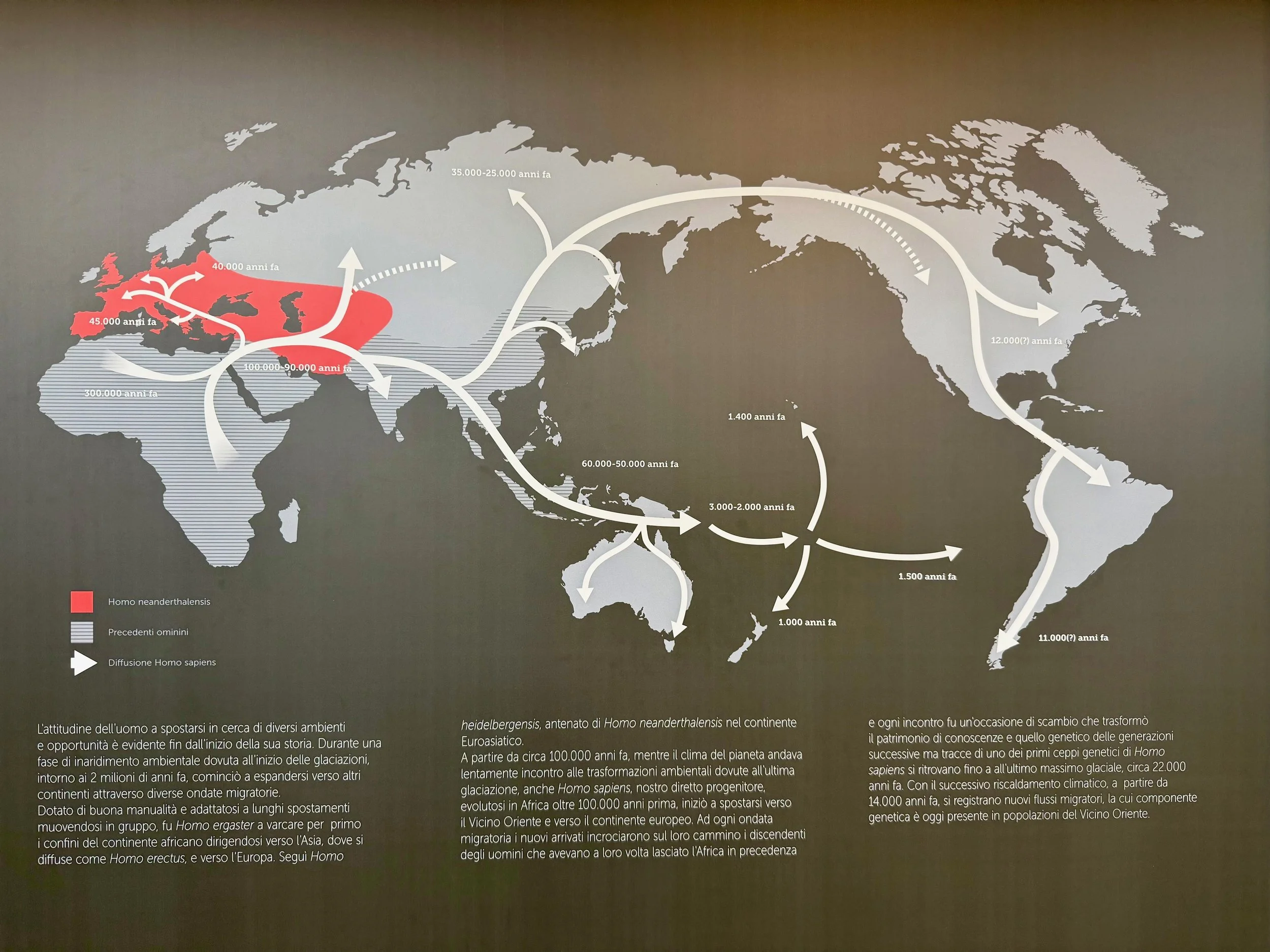
Beautifully explained in English, she took me through the small permanent exhibition, starting by explaining the long history of the area’s inhabitants here with the help of three sets of Neanderthal bones discovered at a Palaeolithic cave a few miles away on the coast. There are in total eight caves (seven Palaeolithic and one Neolithic) at a protected coastal nature park (Parco Naturale Regionale Porto Selvaggio e Palude del Capitano), where a series of finds have revealed the pre-human history of the area. This is evidenced in the museum’s countless fossils and tools crafted from stone, to the evolution into human life 12,000 to 8,000 years ago, seen in rocks with deliberate human-made marks (whether for art or communication, for example, isn’t clear, explained Rosangela). Pieces of decorated ceramics and rocks crafted to be smooth and extremely sharp take the regional Nardó story up to a period of around 5,000 years ago.
If you’re after digitalisation, modern interactive devices or screens, the Museo della Preistoria de Nardó probably isn’t for you. Clearly, apart from to the specialist, displays of stones without context aren’t the most exciting artefacts, even if one of them is a wonderful turtle fossil from the dinosaur period. Rosangela is working on translating the Italian texts into English, so non-Italian speakers definitely need a guide. But local museums such as this are vital to contextualise modern-day towns and villages. And they should be supported by being visited, preferably with a fabulous guide.